
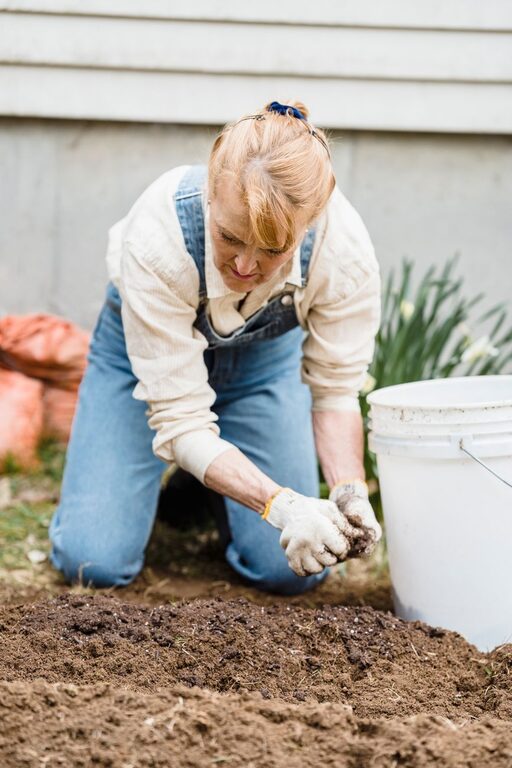
Gardening can be a wonderful way to spend time outdoors, care for your surroundings, and add more movement to your day. The best projects do not have to involve heavy lifting, long periods of digging, or hours of nonstop work. With thoughtful planning, you can choose tasks that keep you active while allowing plenty of time for breaks.
The key is to work at a comfortable pace and divide larger jobs into smaller steps. Projects such as container gardening, light pruning, and creating a simple garden path can offer useful movement without making the work feel overwhelming.
Start With a Comfortable Garden Plan
Before beginning a project, take a few minutes to look around your garden. Notice which areas need attention and decide what can reasonably be completed in one session.
A simple plan can help you avoid rushing. Consider:
– Choosing one small area to work on
– Gathering all tools before you begin
– Keeping water nearby
– Working during a cooler part of the day
– Scheduling short rest periods
– Using lightweight containers and tools when possible
Instead of aiming to finish an entire garden bed, set a smaller goal, such as clearing one section or planting a few containers. A series of short sessions can be just as satisfying as completing one large project at once.
Create a Container Garden
Container gardening is a flexible project that works well on patios, porches, balconies, and small outdoor spaces. Containers also make it easier to focus on a manageable number of plants.
Choose pots that are easy to move when empty, or place them in their final location before adding soil. Lightweight plastic, resin, or fabric containers can be practical alternatives to heavy ceramic or stone pots.
Ideas for Easy Containers
Try planting:
– Herbs such as basil, thyme, mint, or parsley
– Colorful annual flowers
– Compact vegetables such as lettuce or radishes
– Pollinator-friendly flowers
– Small succulents for sunny areas
Arrange containers at a comfortable height when possible. A sturdy plant stand, raised shelf, or waist-high table can reduce the need to bend repeatedly. Keep frequently used herbs near the kitchen or another convenient entrance so they are easy to maintain.
Build a Small Herb Garden
An herb garden is a useful project with a clear, manageable purpose. You can create one in a few containers, a narrow raised bed, or a small section of an existing garden.
Begin by selecting herbs that match the amount of sunlight available. Place the plants where you can reach them easily for watering, trimming, and harvesting.
A small herb garden may involve several gentle tasks:
- Fill a few containers with potting mix.
- Place the containers in a sunny location.
- Add young plants or seeds.
- Label each herb with a simple marker.
- Water lightly and check the plants regularly.
Harvesting a small amount at a time keeps the plants useful and turns routine care into a pleasant reason to step outside.
Refresh a Garden Bed in Sections
Refreshing a garden bed does not require clearing everything at once. Work in sections and focus on one small area during each session.
You might begin by removing a few weeds, trimming dead stems, or adding a thin layer of compost. Once that section looks tidy, stop or move on only if you still feel comfortable.
A section-by-section approach has several benefits:
– The task feels more achievable
– Soil and plants receive regular attention
– You can observe changes over time
– Tools and supplies are easier to manage
– The garden gains a finished look gradually
Use a kneeling pad, garden stool, or low seat to make close-up tasks more comfortable. Keep hand tools nearby in a small basket rather than carrying them back and forth.
Plant a Pollinator-Friendly Corner
A small pollinator garden can add color and variety without requiring a large amount of preparation. Choose a corner, border, or group of containers for flowers that attract bees, butterflies, and other helpful garden visitors.
Look for plants that suit your local growing conditions and require simple care. A mix of flowers that bloom at different times can keep the area interesting throughout the season.
This project can be divided into light tasks:
– Mark the planting area
– Remove only the most noticeable weeds
– Add a small amount of soil or compost
– Plant a few flowers at a time
– Add a simple sign or decorative marker
– Water as needed
You do not need to create a large display. Even a few flowering plants can make a visible difference and provide an enjoyable place to observe nature.
Add a Simple Garden Path
A short garden path can improve the appearance of an outdoor space while creating a clear route between planting areas. Choose materials that are easy to handle, such as wood chips, bark, stepping stones, or recycled rubber pavers.
Plan the route first using string, a garden hose, or small markers. This lets you adjust the shape before moving materials.
For a lower-effort project, add the path in short sections. Spread a thin layer of mulch or place a few stepping stones at a time. Ask for help with heavier materials or choose smaller pieces that are easier to position.
A path can also make garden care more convenient by reducing the need to step into planting beds.
Make a Small Trellis or Plant Support
A simple trellis gives climbing plants a place to grow and adds height to a garden. It can be made from bamboo poles, a wooden frame, wire mesh, or a ready-made garden panel.
Choose a design that is light enough to position easily. Place the support before the plant becomes large, then guide the stems gently as they grow.
Good candidates include:
– Climbing beans
– Sweet peas
– Small cucumbers
– Flowering vines
– Compact tomato varieties
This project combines light assembly, arranging, and regular plant care. Checking the trellis and tying loose stems can become a quick garden routine rather than a demanding task.
Create a Garden Sitting Area
A small sitting area can make the garden more enjoyable while giving you a useful place to pause. Add a bench, chair, or sturdy outdoor stool near a favorite planting bed.
You can improve the space with:
– A container of flowers
– A small side table
– Solar lights
– A birdbath
– Decorative stones
– A weather-resistant cushion
The setup does not need to be elaborate. A comfortable place to sit can encourage short outdoor visits, observation, and light maintenance without turning every garden trip into a work session.
Use a Gentle Gardening Rhythm
No matter which project you choose, use a steady rhythm. Alternate tasks that involve standing, walking, reaching, and sitting. Avoid staying in one position for too long, and pause regularly to check how you feel.
Keep projects flexible. If a task becomes tiring, leave it unfinished and return another day. Gardening is not a race, and plants will continue to grow while you take your time.
By choosing smaller projects, using practical tools, and planning regular pauses, you can keep moving outdoors without overdoing it. The result is a garden that develops gradually and a routine that remains enjoyable throughout the season.