
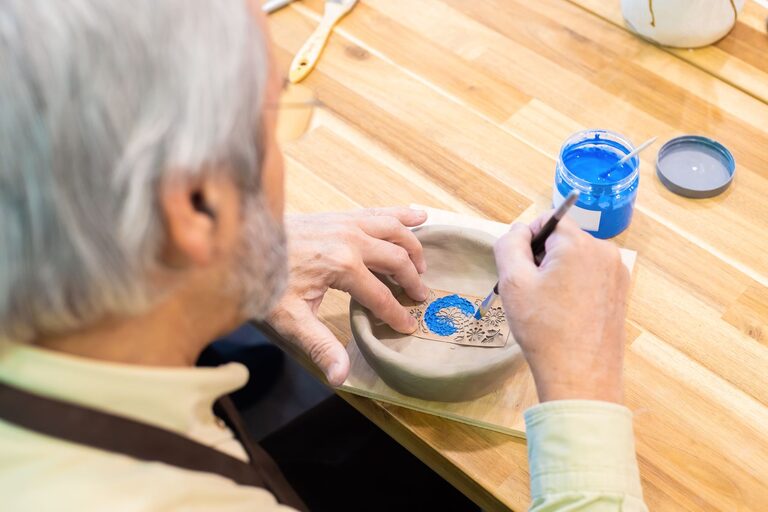
Reaching 50 and beyond can open the door to a new kind of freedom. With fewer daily demands, you may have more time to explore interests that were once set aside. Creative hobbies offer an enjoyable way to stay curious, express yourself, and discover something new.
You do not need special talent or expensive equipment to begin. The best hobby is one that feels inviting and fits naturally into your life. Whether you enjoy working with your hands, spending time outdoors, or learning at your own pace, there are many refreshing options to try.
Why Creative Hobbies Are Worth Exploring
Creative activities encourage you to look at familiar things in new ways. They can also add variety to your routine and give you a satisfying project to look forward to.
A creative hobby may help you:
– Explore personal interests
– Practice patience and focus
– Create useful or beautiful items
– Meet people with similar interests
– Spend more time away from screens
– Build new skills at your own pace
– Enjoy the satisfaction of steady progress
The goal is not perfection. Creativity is often most enjoyable when you allow yourself to experiment, make mistakes, and learn as you go.
1. Watercolor Painting
Watercolor is a flexible hobby that can be enjoyed at a kitchen table, on a porch, or outdoors. A small set of paints, a few brushes, watercolor paper, and a cup of water are enough to begin.
Start with simple subjects such as:
– Leaves and flowers
– Favorite cups or household objects
– Landscapes
– Birds
– Sunsets
– Simple patterns
Many beginners find it helpful to follow short lessons or practice one technique at a time. Try painting washes, blending two colors, or creating a page of different shapes. Over time, these small exercises can become finished paintings.
Watercolor is especially refreshing because it encourages you to notice color, light, and small details in everyday surroundings.
2. Creative Writing and Journaling
Writing can be a private creative practice or a way to share stories with others. You might keep a journal, write short fiction, record family memories, or create poetry.
If a blank page feels intimidating, use a writing prompt:
– Describe a memorable day from childhood.
– Write about a place you would like to visit.
– Imagine finding an old letter in a drawer.
– Describe your favorite season using the senses.
– Tell the story of a treasured object.
You can write for ten minutes without editing yourself. The purpose is to get ideas moving. Later, you can choose whether to revise, organize, or share what you have written.
Memoir writing can also become a meaningful personal project. Gather memories by decade, place, or theme. Photographs, recipes, and family traditions can provide helpful starting points.
3. Gardening With a Creative Twist
Gardening combines planning, color, texture, and hands-on work. You do not need a large yard to enjoy it. Containers, window boxes, and small indoor gardens can provide plenty of creative possibilities.
Try designing:
– A container garden with contrasting colors
– A small herb collection
– A pollinator-friendly flower display
– A themed garden based on fragrance or texture
– A miniature garden in a shallow dish
You can also decorate plant pots, make simple garden signs, or photograph your plants as they change through the seasons. Gardening invites creativity because every arrangement can be adjusted and refreshed.
4. Photography Walks
Photography gives ordinary surroundings a new sense of interest. A camera phone is enough to begin, although a dedicated camera may be appealing later.
Choose a theme for each walk, such as:
– Interesting doors and windows
– Patterns in nature
– Reflections
– Local architecture
– Shadows and light
– Seasonal colors
Instead of trying to photograph everything, focus on noticing one type of detail. Review your images afterward and choose a few favorites. You can create a digital album, print selected photos, or arrange them in a scrapbook.
Photography can be a solo activity, but it also works well with a friend or local group. Comparing what each person notices can make familiar places feel new.
5. Hand Sewing, Embroidery, or Quilting
Textile crafts offer a calming way to work with color, pattern, and texture. Beginners can start with a small project, such as a decorated pouch, fabric bookmark, embroidered greeting card, or simple wall hanging.
Embroidery is often accessible because it requires only fabric, thread, a needle, and a hoop. Quilting may involve more planning, but small patchwork projects can be completed without making a full-size quilt.
Consider choosing a project that has a clear purpose. Creating a gift, repairing a favorite item, or decorating a room can provide extra motivation while you learn.
6. Cooking as a Creative Practice
Cooking is both practical and imaginative. It can become more creative when you move beyond familiar recipes and explore new combinations.
Choose one ingredient and experiment with different preparations. You might also:
– Adapt a family recipe
– Create a seasonal menu
– Try foods from a new culture
– Make homemade sauces or spice blends
– Present a meal in a new way
– Keep notes on successful combinations
Cooking does not need to be complicated. A simple dish can become a creative project when you pay attention to color, texture, flavor, and presentation.
You can invite friends or family to join you for a themed cooking afternoon. Sharing ideas and tasting the results can make the experience even more enjoyable.
7. Playing Music or Singing
Music offers many ways to begin, whether you are returning to an old instrument or trying one for the first time. You might learn guitar, keyboard, ukulele, hand percussion, or singing techniques.
Start with short practice sessions and choose songs you genuinely enjoy. Online lessons, community classes, and informal music groups can provide structure and encouragement.
If playing an instrument does not appeal to you, try creating playlists around a theme or exploring music from different time periods. You could even write new lyrics for a familiar melody as a lighthearted creative exercise.
8. Making Time for Creative Habits
A hobby is easier to maintain when it fits into your routine. Set aside a regular time, even if it is only 15 or 20 minutes. Keep supplies visible and easy to reach so starting does not feel like a chore.
A few simple habits can help:
– Choose small projects at first.
– Keep a record of ideas and progress.
– Celebrate improvement rather than perfection.
– Take breaks when a project feels frustrating.
– Try a class or group for encouragement.
– Give yourself permission to change hobbies.
You do not have to commit to one activity forever. Part of the fun is sampling different possibilities and noticing what holds your interest.
Finding the Right Creative Outlet
The most refreshing hobby is one that matches your current energy, space, budget, and interests. If you enjoy quiet concentration, writing or embroidery may be a good fit. If you like movement and fresh air, gardening or photography walks may be more appealing. If you enjoy connecting with others, consider a class, club, or shared project.
Creativity does not have an age limit. After 50, it can be a rewarding way to explore your identity, connect with others, and bring more color and curiosity into everyday life. Start with one small idea, enjoy the process, and let your interests grow naturally.