
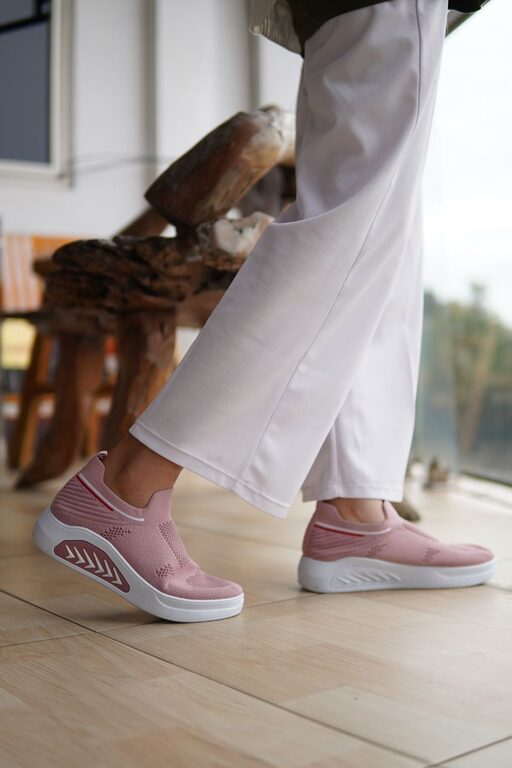
Choosing comfortable shoes can make daily activities easier, whether you are commuting, running errands, working on your feet, or spending time outdoors. The best pair is not always the most expensive or the most popular. Comfort depends on how well the shoes match your feet, your routine, and the surfaces you use most often.
A thoughtful approach can help you find shoes that feel good when you first try them and continue to work well throughout the day. Here are the key features and shopping tips to consider.
Start With Your Daily Routine
Before choosing a pair, think about how and where you will wear it. A shoe designed for short walks may not be the best choice for a full day of standing. Similarly, lightweight casual shoes may not provide the features you need for regular outdoor activities.
Consider these questions:
– How many hours will you wear the shoes each day?
– Will you spend most of the time walking, standing, sitting, or driving?
– Will you use them indoors, outdoors, or on both?
– What types of surfaces will you walk on?
– Do you need shoes that can handle changing weather?
– Will you wear them with thin socks, thick socks, or no-show socks?
Your answers will help narrow your options. For example, someone who walks to work may want cushioning, a secure fit, and a durable outsole. Someone who spends most of the day at a desk may prefer a lighter, more flexible design.
Measure Your Feet Carefully
Feet can change in size and shape over time, so avoid relying only on your usual shoe size. Sizing can also vary between brands and styles.
When shopping, keep these tips in mind:
– Measure both feet, since one foot may be slightly larger than the other.
– Measure your feet later in the day, when they may be a little larger than in the morning.
– Wear the type of socks you plan to use with the shoes.
– Stand while measuring to account for the way your feet spread under your weight.
– Use the larger foot as a guide when choosing a size.
A size number is only a starting point. The actual fit matters more than the label. If one foot is larger, choose a pair that fits the larger foot comfortably. You can adjust the fit on the smaller side with lacing or an insole if needed.
Look for Enough Space in the Toe Box
The front of the shoe should give your toes room to move naturally. Your toes should not feel squeezed together, pressed against the top, or pushed into the front of the shoe.
A comfortable toe box should allow you to:
– Wiggle your toes slightly
– Spread your toes without pressure
– Avoid contact between your longest toe and the front of the shoe
– Move comfortably when walking downhill or stopping quickly
Leave a small amount of space between your longest toe and the end of the shoe. The exact amount depends on the shoe shape and your foot, but your toes should not touch the front when you stand or walk.
Be careful with pointed or narrow styles. They may look attractive but can feel uncomfortable during long periods of wear if they do not match the natural shape of your feet.
Check the Heel and Midfoot Fit
A shoe should feel secure around the heel and middle of the foot without being tight. If your heel slips significantly with every step, the shoe may be too loose or have the wrong shape. If the middle feels compressed, the shoe may be too narrow.
When trying on shoes:
- Loosen the laces or straps before putting them on.
- Position your heel comfortably at the back of the shoe.
- Fasten the shoe without pulling too tightly.
- Walk at different speeds.
- Pay attention to movement, pressure, and rubbing.
A secure heel can help the shoe stay in place while walking. Adjustable features such as laces, buckles, or hook-and-loop straps can make it easier to customize the fit.
Choose Comfortable Cushioning
Cushioning affects how shoes feel underfoot. Some people prefer a soft, cushioned feel, while others like a firmer and more stable base. There is no single level that works for everyone.
Soft cushioning can feel pleasant during walking and standing, but a very soft shoe may feel unstable to some wearers. A firmer sole may feel more supportive and controlled, but it should not feel harsh or uncomfortable.
When testing a shoe, notice how it feels during several movements:
– Walking on a hard floor
– Turning from side to side
– Standing still
– Climbing stairs
– Bending your feet
– Walking at a normal and faster pace
Choose the option that feels comfortable and steady rather than focusing only on how soft it feels in the store.
Consider Flexibility and Stability
Daily shoes should bend in a way that feels natural for your walking style. A shoe that is too stiff may feel restrictive, while one that bends too easily may not provide the feel you prefer.
Check where the shoe bends. It should generally flex near the front of the foot rather than folding in the middle. The sole should also feel stable when you shift your weight from side to side.
For everyday use, look for a balance of:
– Comfortable flexibility
– A stable base
– A sole that grips common surfaces
– Enough structure to keep the shoe from collapsing
– A weight that feels manageable
The right balance depends on your routine. Lightweight shoes may be convenient for travel and errands, while more substantial shoes may suit long walks or outdoor use.
Pay Attention to Materials
Materials affect comfort, breathability, durability, and care. Fabric and mesh uppers often allow more airflow and may feel light. Leather and other structured materials can offer a polished appearance and may hold their shape well. Synthetic materials vary widely, so inspect how they feel and how the shoe is constructed.
Look for soft, smooth areas inside the shoe. Seams, edges, and labels should not rub against your skin when you walk. The upper should hold your foot comfortably without creating pressure points.
Also consider maintenance. If you expect to wear the shoes often, choose materials that are easy to clean and suitable for your local weather. A practical pair is more likely to become a reliable part of your daily wardrobe.
Try Shoes on the Right Way
Whenever possible, try on shoes in person. Wear both shoes and walk for several minutes instead of judging them while seated.
Use this checklist:
– Try them with your usual socks.
– Stand up and walk on a firm surface.
– Test stairs or a ramp if available.
– Check for slipping at the heel.
– Look for pinching across the toes or midfoot.
– Notice any rubbing, pressure, or unusual movement.
– Compare the feel of both shoes.
Do not assume a shoe will become comfortable if it feels painful or severely tight at first. Some materials may soften slightly, but a poor fit is unlikely to improve enough for regular use.
Match the Shoes to Your Clothing
Comfort and personal style can work together. For daily wear, choose colors and designs that coordinate with much of your wardrobe. Neutral shades can be versatile, while brighter colors or distinctive details can add interest to simple outfits.
You may also want to consider whether the shoes are suitable for several settings, such as casual workplaces, shopping trips, travel, and social activities. A versatile design can reduce the need to switch shoes during the day.
However, style should not override comfort. If a pair looks great but creates pressure or makes walking difficult, it may not be a practical choice for daily activities.
Maintain Your Shoes
Even comfortable shoes need regular care. Clean them according to the manufacturer’s instructions, allow damp shoes to dry naturally, and avoid storing them in cramped spaces. Rotating between two pairs can give each pair time to air out and recover its shape.
Inspect your shoes from time to time. Look for worn tread, flattened cushioning, loose stitching, or changes in the way the shoes feel. If the fit or comfort changes noticeably, it may be time to consider a replacement.
Final Tips for a Better Choice
The most comfortable daily shoes are the ones that suit your feet, activities, and preferences. Focus on fit first, then consider cushioning, flexibility, materials, appearance, and price.
Before buying, remember to:
– Measure your feet and compare both sides.
– Shop later in the day when possible.
– Leave enough room for your toes.
– Make sure the heel stays secure.
– Walk in both shoes before deciding.
– Choose materials that suit your climate and routine.
– Replace shoes when comfort and function begin to decline.
With these steps, you can make a more confident choice and find everyday footwear that supports your schedule from the first step to the last.