
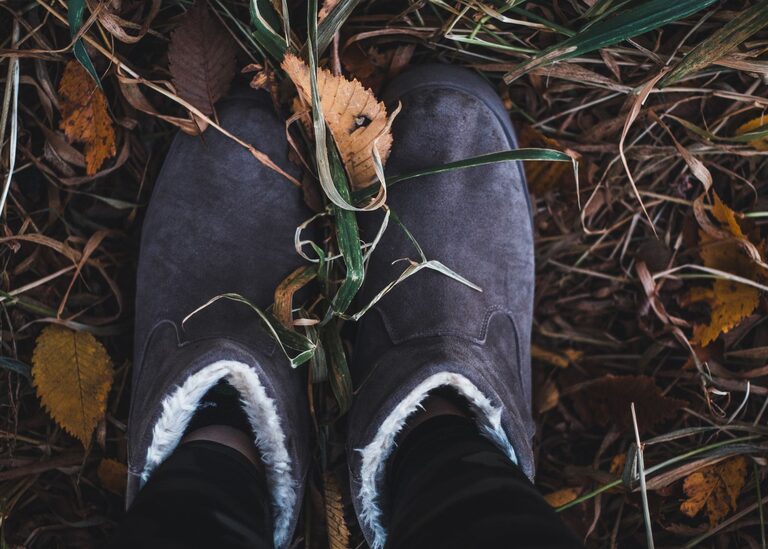
Walking is a simple way to spend time outdoors, add movement to your day, and create a routine that fits your lifestyle. However, each season brings different temperatures, daylight hours, and weather conditions. A comfortable walking routine needs to be flexible enough to work through changing conditions.
With a little planning, you can make walking enjoyable in spring, summer, fall, and winter. The goal is not to follow the same route or schedule every day. Instead, create a routine that can adjust to the season while still giving you structure.
Start With a Routine That Fits Your Life
The best walking routine is one you can repeat. Before thinking about distance or speed, decide when walking fits most naturally into your day.
Consider these questions:
– Do you prefer walking before work, during lunch, or in the evening?
– How much time can you regularly set aside?
– Are there sidewalks, trails, parks, or indoor spaces nearby?
– Would you rather walk alone, with a friend, or with a group?
– What weather conditions are common in your area?
Start with a realistic schedule, such as three or four walks per week. You might begin with 15 to 20 minutes and add time gradually as the routine becomes easier to maintain. A shorter walk that happens regularly is often more useful than an ambitious plan that quickly becomes difficult to follow.
It can also help to choose a backup option. For example, if rain changes your outdoor plans, you could walk indoors at a community center, shopping area, or other suitable location.
Prepare for Spring Walking
Spring often brings comfortable temperatures, but it can also include rain, muddy paths, and quickly changing weather. Dress in light layers so you can adjust as the temperature changes.
A practical spring outfit may include:
– A breathable shirt
– A light sweater or jacket
– Comfortable walking shoes
– A water-resistant outer layer for wet days
– A hat or sunglasses for bright conditions
Check the forecast before leaving, especially if you plan to walk for more than 30 minutes. After rain, choose paved paths when possible, since dirt trails may be slippery or uneven.
Spring is also a good time to refresh your walking route. Look for parks, tree-lined streets, or paths with seasonal scenery. A new route can make the routine feel more interesting and give you a reason to stay consistent.
Make Summer Walks Cooler and Easier
Summer heat can make walking feel more tiring, so timing is especially important. Early morning and later evening are often more comfortable than the hottest part of the day. Choose shaded routes when available, and avoid walking on surfaces that become very hot.
Wear lightweight, breathable clothing and comfortable shoes that allow your feet to stay cool. A hat can provide shade, while sunglasses can reduce glare on bright days.
For longer walks, carry water or plan a route with a reliable place to refill your bottle. Take breaks when needed, especially during hot or humid weather. If the temperature feels uncomfortable, shorten the walk or move it indoors rather than forcing yourself to continue.
Summer walking ideas include:
– Taking a morning neighborhood walk
– Walking through a shaded park
– Exploring a waterfront path during a cooler time of day
– Combining a short walk with errands
– Walking indoors during very hot afternoons
A flexible summer routine may include shorter walks on hot days and longer walks when conditions are more comfortable.
Enjoy the Variety of Fall
Fall is often ideal for walking, with cooler air and colorful scenery. However, shorter daylight hours and wet leaves can affect your plans.
Wear layers that can be added or removed easily. A light jacket may be enough on mild days, while a warmer layer can help when temperatures drop. Choose shoes with good traction for damp sidewalks and leaf-covered paths.
As daylight decreases, consider walking earlier in the day or choosing well-lit areas. If you walk near roads, use visible clothing and stay aware of traffic, especially during dawn or dusk.
Fall is also a useful season for setting new goals. You might explore a different neighborhood each week, walk to a local market, or plan a weekend route that includes a scenic stop. Small changes can keep the routine fresh without making it complicated.
Stay Comfortable During Winter
Winter walking requires extra attention to temperature, wind, precipitation, and surface conditions. Check the forecast before you go, and choose routes that are cleared and maintained when possible.
Dress in layers to help manage changing temperatures. A base layer can help keep you comfortable, while a warm outer layer protects against wind or light precipitation. On cold days, consider gloves, a hat, and warm socks. Choose footwear that is comfortable and suitable for wet or icy conditions.
Before leaving, look for slippery areas such as icy sidewalks, packed snow, or wet steps. If conditions are poor, move your walk indoors. Indoor options may include a mall, large public building, gym, or treadmill, depending on what is available to you.
Winter walks may be shorter, and that is perfectly reasonable. A 10- or 15-minute walk can still provide a change of scenery and a break from sitting indoors. You can also divide your walking time into several shorter sessions throughout the day.
Choose Comfortable Clothing and Shoes
Your clothing and footwear can make a major difference in how enjoyable walking feels. Shoes should fit comfortably and be appropriate for the surfaces you use most often. If you regularly walk on paved sidewalks, choose shoes that feel stable on hard surfaces. If you use trails, look for footwear suited to uneven ground.
Avoid wearing too many layers at the start of a walk if you tend to warm up quickly. At the same time, bring an extra layer when the weather may change. Comfortable socks can help reduce rubbing, especially during longer walks.
Keep a small seasonal walking kit ready. It might include:
– A reusable water bottle
– A light rain jacket
– Sunscreen
– A hat
– Gloves
– Reflective or bright clothing
– A small towel
– A phone or emergency contact information
Adjust Your Pace and Distance
A comfortable pace is one that allows you to walk steadily without feeling rushed. Your pace may change with the season, route, clothing, and weather. There is no need to maintain the same speed in every condition.
Use time, rather than distance, as your main guide when starting or changing your routine. Walking for 20 minutes three times a week may be easier to manage than aiming for a specific number of miles. As the routine becomes familiar, you can add a few minutes, include gentle hills, or explore longer routes.
Plan easier days after longer walks or during challenging weather. This approach gives your routine room to adapt instead of making every walk feel like a test.
Keep the Routine Interesting
Consistency is easier when walking remains enjoyable. Add variety by changing your route, listening to music or a podcast, taking photos, or inviting someone to join you. You can also connect walking with everyday activities, such as walking to a nearby store or taking a short break between tasks.
Create a simple seasonal plan at the beginning of each season. Choose a few favorite routes, identify indoor alternatives, and note the times of day that usually offer the most comfortable conditions.
The most successful walking routine is one that fits your schedule, surroundings, and comfort level. By adjusting your clothing, timing, route, and pace throughout the year, you can make walking a practical habit in every season.