
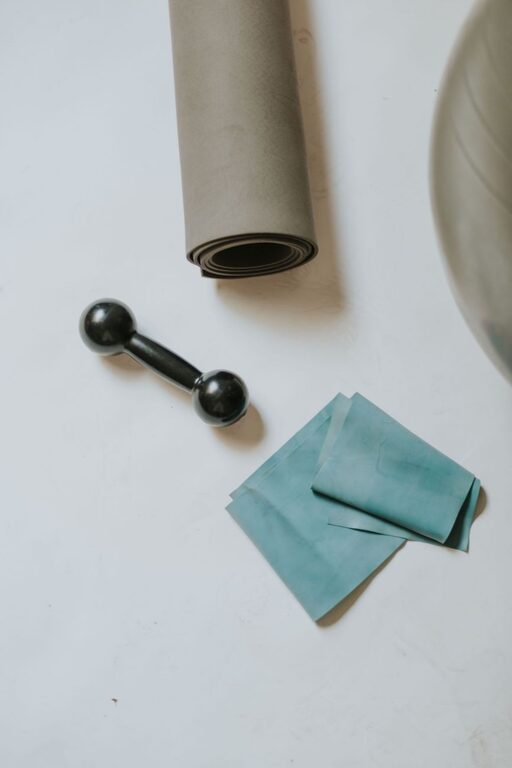
Building strength does not require a gym, heavy weights, or intense workouts. Low-impact exercises can help you feel more capable in everyday movements while giving you a comfortable way to stay active at home. The goal is not to move as quickly or lift as much as possible. Instead, focus on steady progress, good form, and a routine that makes you feel successful.
Low-impact strength exercises place less stress on the joints than activities involving running, jumping, or sudden changes in direction. They are useful for beginners, people returning to exercise, and anyone who prefers a calmer approach to fitness.
Why Strength Can Build Confidence
Strength training is about more than muscles. As you practice, you may notice that everyday tasks feel easier, such as standing from a chair, carrying groceries, climbing stairs, or reaching overhead.
A consistent routine can also help you:
– Become more aware of your posture and movement
– Improve balance and coordination
– Develop a sense of accomplishment
– Create a positive structure in your day
– Feel more comfortable trying new activities
Confidence often grows through small wins. Completing a short workout, improving your form, or performing one additional repetition can all be signs of progress.
Getting Started at Home
Choose a clear, comfortable space where you can move without bumping into furniture. Wear supportive clothing and shoes, or exercise barefoot if that feels stable and comfortable on a suitable surface.
Before each session, spend a few minutes warming up. Try gentle marching in place, shoulder rolls, arm circles, and easy side steps. These movements help you prepare mentally and physically for the exercises ahead.
Start with one set of each exercise. Over time, you can work toward two or three sets. A set may include 8 to 12 controlled repetitions, unless otherwise noted. Rest whenever you need to, and keep your movements smooth rather than rushing.
1. Chair Squats
Chair squats strengthen the legs and hips while giving you a clear target and extra confidence.
How to do them
- Place a sturdy chair behind you.
- Stand with your feet about hip-width apart.
- Extend your arms forward or keep them by your sides.
- Bend your knees and slowly lower your hips toward the chair.
- Lightly touch the chair with your hips, then press through your feet to stand.
Try not to drop into the chair or use momentum. If the movement feels challenging, use your hands on the chair or reduce the depth of the squat. As you become more comfortable, pause briefly above the seat before standing again.
2. Wall Push-Ups
Wall push-ups work the chest, shoulders, and arms without requiring you to get down on the floor.
How to do them
- Stand facing a wall, about one arm’s length away.
- Place your palms on the wall at chest height.
- Keep your body in a straight line from head to heels.
- Bend your elbows to bring your chest toward the wall.
- Press through your hands to return to the starting position.
Keep your shoulders relaxed and your elbows angled slightly downward. To make the exercise harder, move your feet farther from the wall. To make it easier, stand closer.
3. Supported Reverse Leg Lifts
This exercise targets the muscles around the hips and can help you practice controlled movement.
How to do them
- Stand behind a sturdy chair and hold the back lightly.
- Keep your upper body tall and your knees soft.
- Slowly move one leg straight behind you.
- Squeeze your glutes gently without arching your lower back.
- Lower the leg with control and repeat on the other side.
The movement should be small. Avoid swinging your leg or leaning forward. Keep both hips facing the chair throughout the exercise.
4. Calf Raises
Calf raises are simple to perform and can help strengthen the lower legs.
How to do them
- Stand behind a chair or near a wall for support.
- Place your feet hip-width apart.
- Slowly lift your heels until you are on the balls of your feet.
- Pause briefly at the top.
- Lower your heels slowly to the floor.
Keep your weight balanced across the front of your feet. If your balance is steady, try completing a few repetitions without holding the chair, but keep it close for support.
5. Seated Knee Lifts
Seated knee lifts strengthen the hips and core while keeping you supported.
How to do them
- Sit near the front of a sturdy chair with both feet on the floor.
- Sit tall and hold the sides of the chair if needed.
- Lift one knee a few inches toward your chest.
- Lower it gently and repeat with the other leg.
- Continue alternating sides.
Avoid leaning backward or using your hands to lift your leg. For an added challenge, pause for a moment at the top of each lift.
6. Standing Row With a Towel
A towel can help you practice the pulling motion used in many daily activities. This exercise focuses on posture and the muscles of the upper back.
How to do it
- Hold a towel with both hands, keeping your hands wider than shoulder-width apart.
- Stand tall with your arms extended in front of you.
- Gently pull the towel apart while drawing your elbows back.
- Squeeze your shoulder blades together without shrugging.
- Return your arms forward with control.
The towel does not need to stretch. Focus on creating gentle tension and keeping your neck relaxed.
7. Standing Side Leg Lifts
Side leg lifts work the muscles along the hips and can support steady movement.
How to do them
- Stand beside a counter or sturdy chair.
- Hold the support lightly with one hand.
- Lift the outside leg a short distance to the side.
- Keep your toes facing forward.
- Lower the leg slowly and complete your repetitions before switching sides.
Do not tilt your upper body in the opposite direction. A small, controlled lift is more useful than a high, swinging movement.
Create a Simple Home Routine
You can combine these exercises into a short routine:
– Chair squats: 8 to 12 repetitions
– Wall push-ups: 8 to 12 repetitions
– Supported reverse leg lifts: 8 repetitions per side
– Calf raises: 10 to 15 repetitions
– Seated knee lifts: 8 repetitions per side
– Standing side leg lifts: 8 repetitions per side
Rest for about 30 to 60 seconds between exercises, or longer if needed. Completing this routine two or three times per week can provide a consistent starting point. On other days, consider gentle walking, stretching, or simply taking regular movement breaks.
Track Progress Without Pressure
Progress does not have to mean doing a difficult workout. You might track:
– How many repetitions you complete with good form
– Whether you need less support for balance
– How controlled your movements feel
– How regularly you complete your routine
– Which exercises make you feel most confident
Keep a simple note on your phone or calendar. Celebrating consistency can help you stay motivated without comparing your progress with anyone else’s.
Keep Safety in Mind
Move within a comfortable range and avoid holding your breath. Stop if you feel sharp pain, dizziness, or unusual discomfort. Make sure your chair and other support surfaces are stable before using them.
If you have an injury, a health condition, or questions about whether an exercise is appropriate for you, consider asking a qualified professional for personalized guidance. The best routine is one that feels manageable, controlled, and sustainable.
With regular practice, low-impact strength exercises can become more than a workout. They can be a practical way to notice your abilities, build trust in your body, and feel more confident in everyday life.